



Exploring the cultural significance of casinos in modern society
The Historical Context of Casinos
Casinos have deep historical roots, dating back to ancient civilizations where games of chance were played for entertainment and socialization. The modern casino, however, emerged in the 17th century in Italy, evolving from gambling houses into the sprawling entertainment complexes we see today. This historical evolution reflects societal changes, revealing how gambling has transitioned from a taboo activity to a mainstream leisure pursuit. For those looking for options, the best online casinos provide a modern twist on this ancient practice.
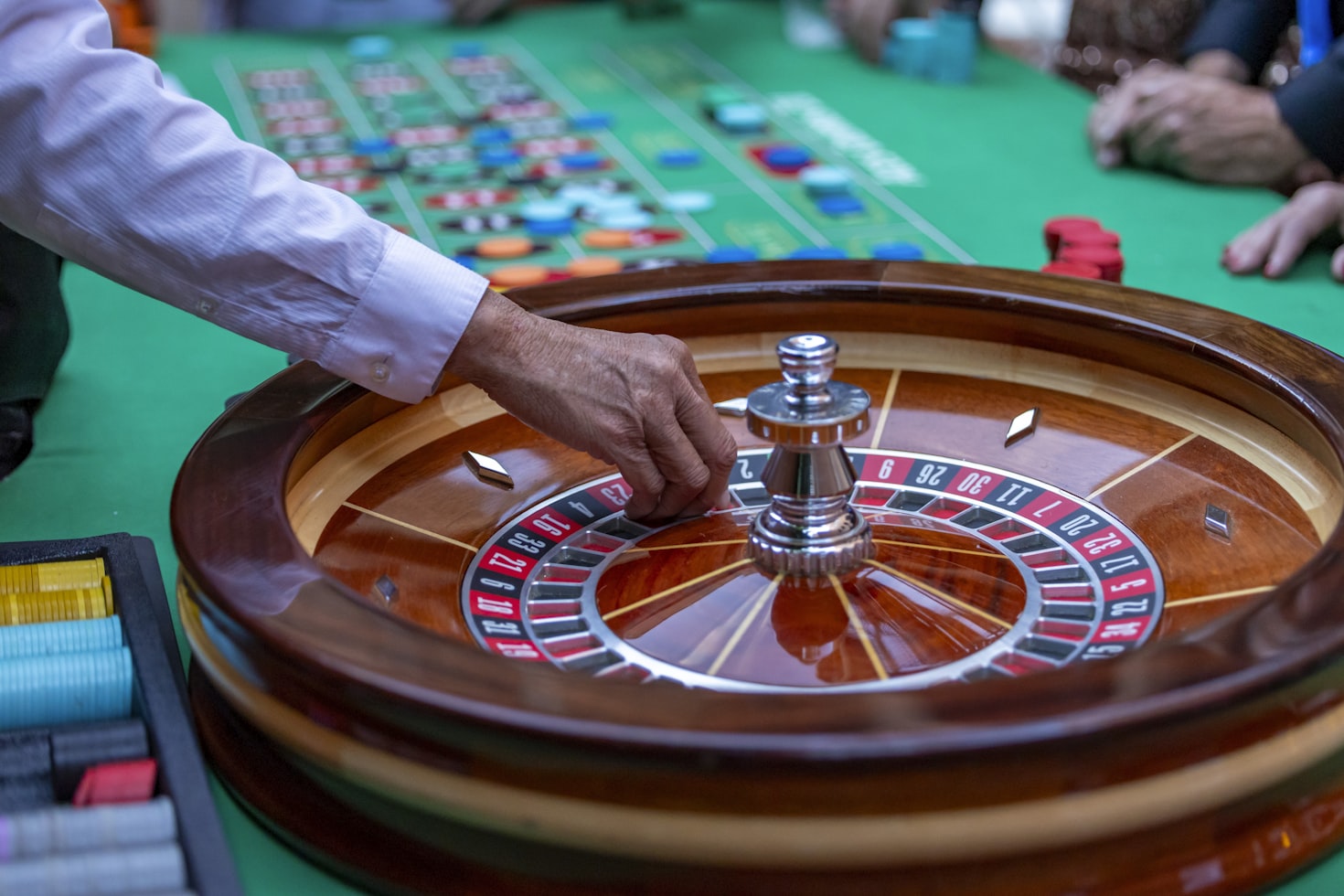
As societies became more industrialized, the allure of casinos grew, catering to the increasing urban population seeking escape from the pressures of daily life. By the late 20th century, casinos were established not only as gaming venues but as entertainment hubs featuring dining, performances, and shopping. This transformation highlights the dynamic relationship between culture and gambling, illustrating how casinos have adapted to meet societal demands.
Casinos as Social Gathering Spaces
In contemporary society, casinos serve as vital social gathering spaces, where individuals from diverse backgrounds come together to enjoy entertainment and leisure activities. The vibrant atmosphere of casinos fosters interactions and connections among players, making them more than just places to gamble. They often host events, concerts, and performances, further enhancing their role as community hubs.
The social aspect of casinos has profound implications for cultural exchange. As patrons share experiences and engage in games, they create a melting pot of cultures and traditions. This exchange fosters a sense of belonging and community, challenging the notion that gambling is solely a solitary or individualistic endeavor.
The Economic Impact of Casinos
Casinos significantly contribute to local and national economies, providing job opportunities and stimulating tourism. In many regions, they are a major source of revenue, driving economic growth through tax contributions and employment generation. The presence of a casino can revitalize struggling areas, attracting visitors and investment that benefit various sectors, from hospitality to retail.
Moreover, casinos often invest in their surrounding communities, funding local projects and initiatives. This economic engagement highlights the potential for casinos to play a constructive role in society, emphasizing their importance beyond mere entertainment venues. As they navigate the balance between profit and social responsibility, casinos can become catalysts for positive change within their communities.
Gambling and Cultural Representation
The portrayal of casinos in popular culture, including films, literature, and music, reflects societal perceptions of gambling. These representations often glamorize the lifestyle associated with casinos, attracting people to the allure of risk and reward. However, they can also reinforce negative stereotypes, promoting the idea of gambling as a vice rather than a form of entertainment.
As cultural narratives evolve, so too does the representation of casinos. Contemporary media increasingly highlights responsible gambling practices and the importance of moderation, aiming to reshape public perception. This shift underscores the need for a balanced view of casinos, recognizing their role in both entertainment and the potential challenges associated with gambling.

Conclusion: The Future of Casinos in Society
As the landscape of entertainment continues to evolve, casinos will likely adapt to meet changing cultural values and technological advancements. With the rise of online gaming and mobile applications, the traditional casino experience is transforming. This digital shift offers opportunities for increased accessibility but also presents challenges in terms of regulation and responsible gambling.
The cultural significance of casinos in modern society is multifaceted, encompassing historical, social, economic, and cultural dimensions. As we move forward, understanding this complexity will be crucial for ensuring that casinos remain positive contributors to society, celebrating the rich tapestry of experiences they offer while addressing the potential pitfalls of gambling.
